Amilcar dos Santos
Intervista esclusiva ad Amlicar dos Santos, fondatore di "Caboverdefootball" e dell'accademia "Dossantossports"
The english version at the bottom of the page
Siamo estremamente felici di poter pubblicare un contenuto di portata mondiale. Grazie ad Amlicar dos Santos, con cui ci siamo sentiti durante tutto il mondiale, per aver raccontato il suo percorso e l'incredibile storia dietro il movimento calcistico di Capo Verde. Buona lettura.
"come un uomo ha cambiato la storia calcistica di Capo Verde"
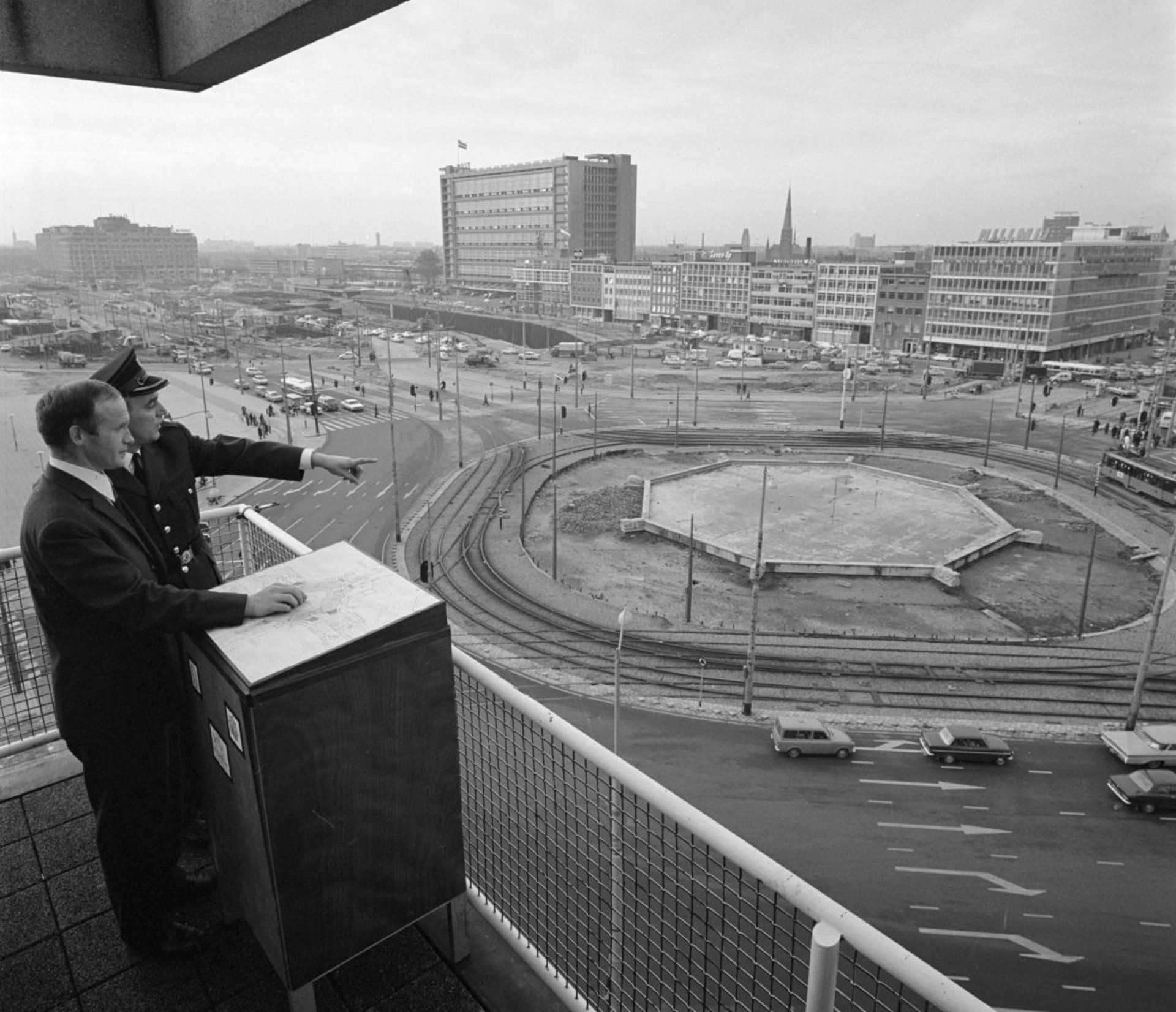
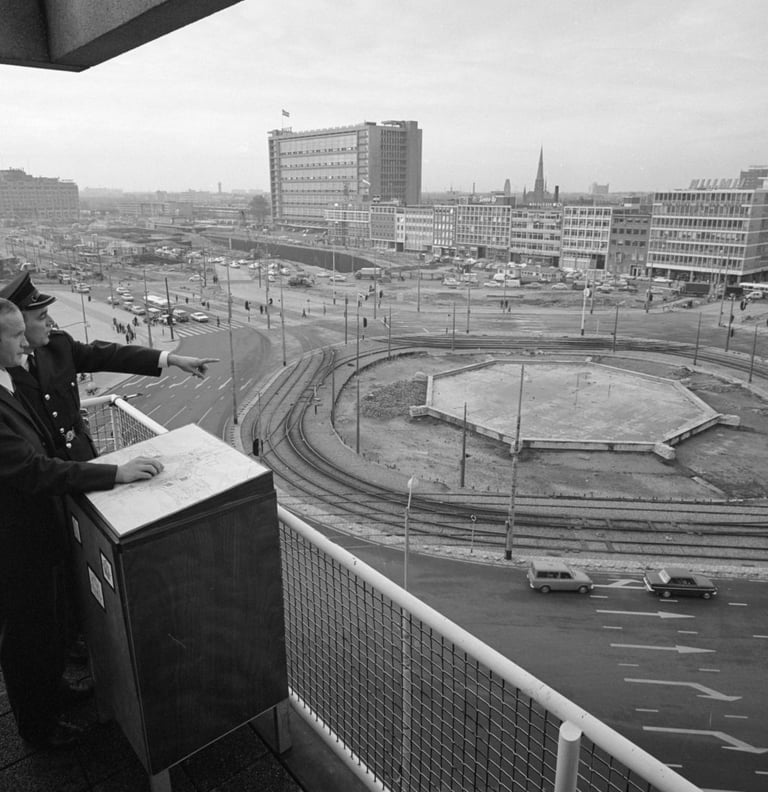
"Mi chiamo Amilcar dos Santos, ho 55 anni e sono nato e cresciuto a Rotterdam, nei Paesi Bassi. Rotterdam è una città portuale vibrante, ma per noi è anche qualcosa di più: è la casa di una delle più grandi comunità capoverdiane d’Europa.
La prima generazione di capoverdiani arrivò qui negli anni '60, principalmente attraverso la marina mercantile. All'epoca, Capo Verde lottava contro la povertà e la mancanza di opportunità, spingendo molti giovani a lasciare le isole in cerca di un futuro migliore. Partirono da soli, lasciando le famiglie con la speranza di stabilirsi in Europa prima di poter ricongiungersi con mogli e figli. Mio padre fu uno di loro, stabilendosi a Rotterdam alla fine degli anni '60.
Il calcio è sempre stato il cuore pulsante della cultura capoverdiana. Crescendo a Rotterdam, ho visto la nostra comunità dare vita a una vera e propria lega calcistica locale, con club storici come l'FC Make Love, l'FC Feeling, l'FC Santo Antão e l'FC São Nicolau. Mio padre e i miei fratelli giocavano tutti nell'FC Make Love. Ogni sabato, da bambino, me ne stavo a bordo campo a guardare quelle partite cariche di passione. È stato lì che è nato il mio amore viscerale per questo sport.
I capoverdiani hanno un talento naturale per il calcio, ma per molti anni le opportunità sulle isole sono state limitate. Nonostante esistessero competizioni locali, il livello non era abbastanza alto da permettere a molti giocatori di intraprendere una carriera professionistica. Solo una manciata di talenti eccezionali riusciva a fare il grande salto verso il calcio professionistico in Portogallo.
Con il passare del tempo, la diaspora capoverdiana nel mondo ha iniziato a sfornare talenti incredibili. Cresciuti all'estero, questi ragazzi avevano accesso ad accademie migliori e a percorsi di sviluppo professionali. Tuttavia, la maggior parte di loro finiva per scegliere di rappresentare calcisticamente paesi come il Portogallo o la Francia, piuttosto che Capo Verde.
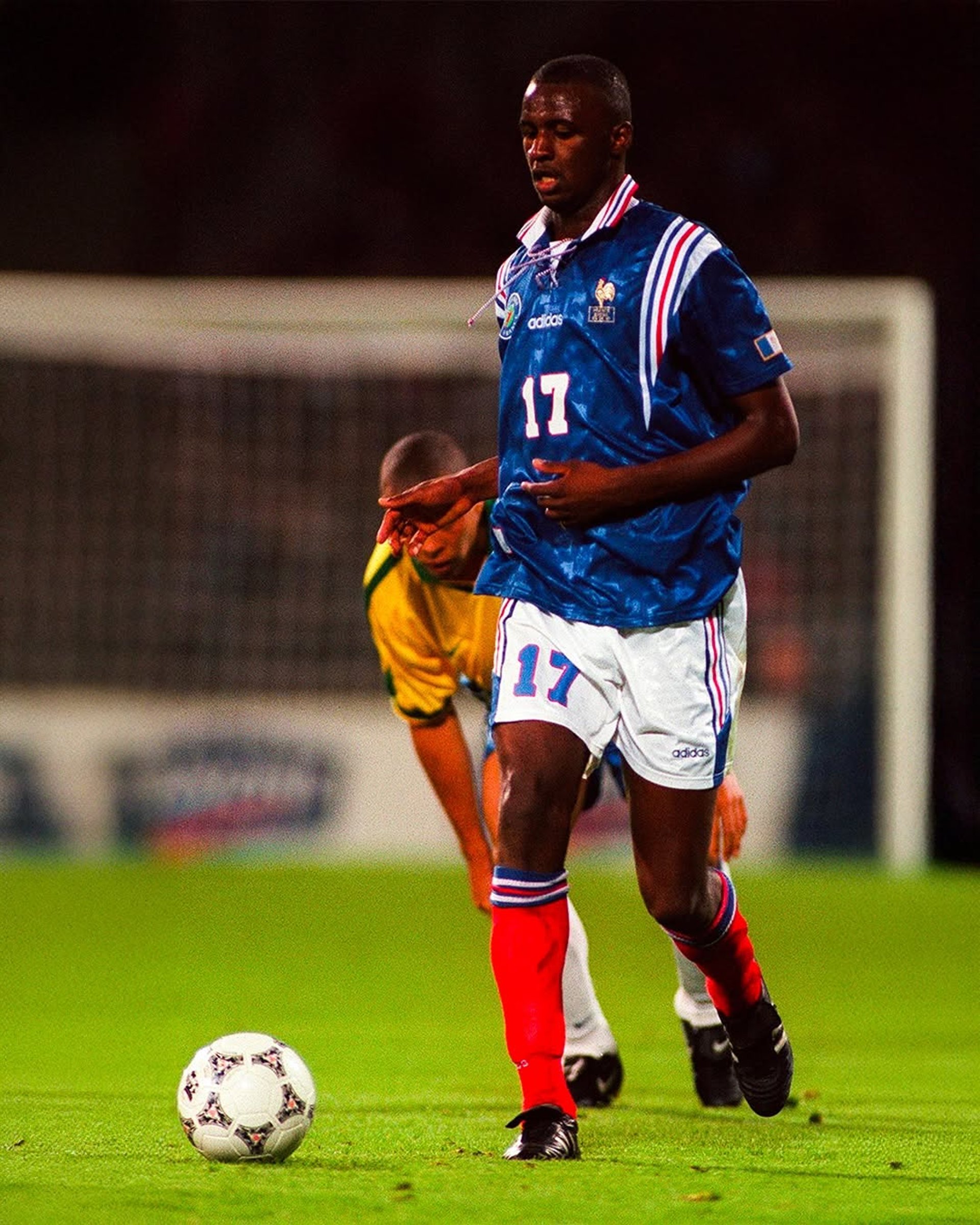
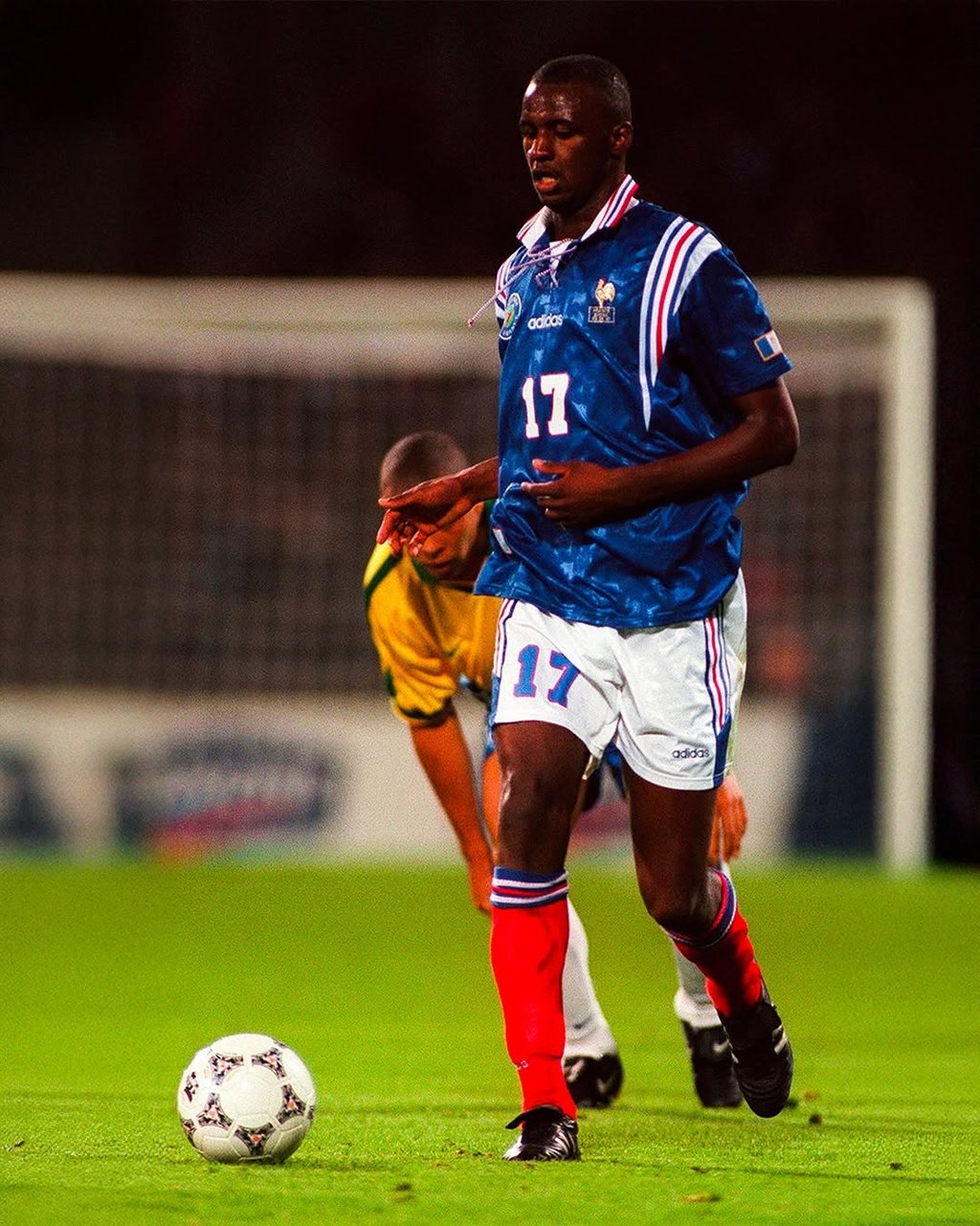
Nomi del calibro di Nani, Rolando e Jorge Andrade hanno fatto la storia del Portogallo. Più di recente, stelle come Nuno Mendes, Nelson Semedo e Renato Veiga hanno rappresentato i colori portoghesi al Mondiale, mentre campioni come Patrice Evra e Patrick Vieira hanno vestito la maglia della Francia. Tutti loro condividono una cosa: le radici capoverdiane.
Per molti anni mi sono tormentato con una sola domanda: Come possiamo convincere i talenti della diaspora a scegliere Capo Verde?
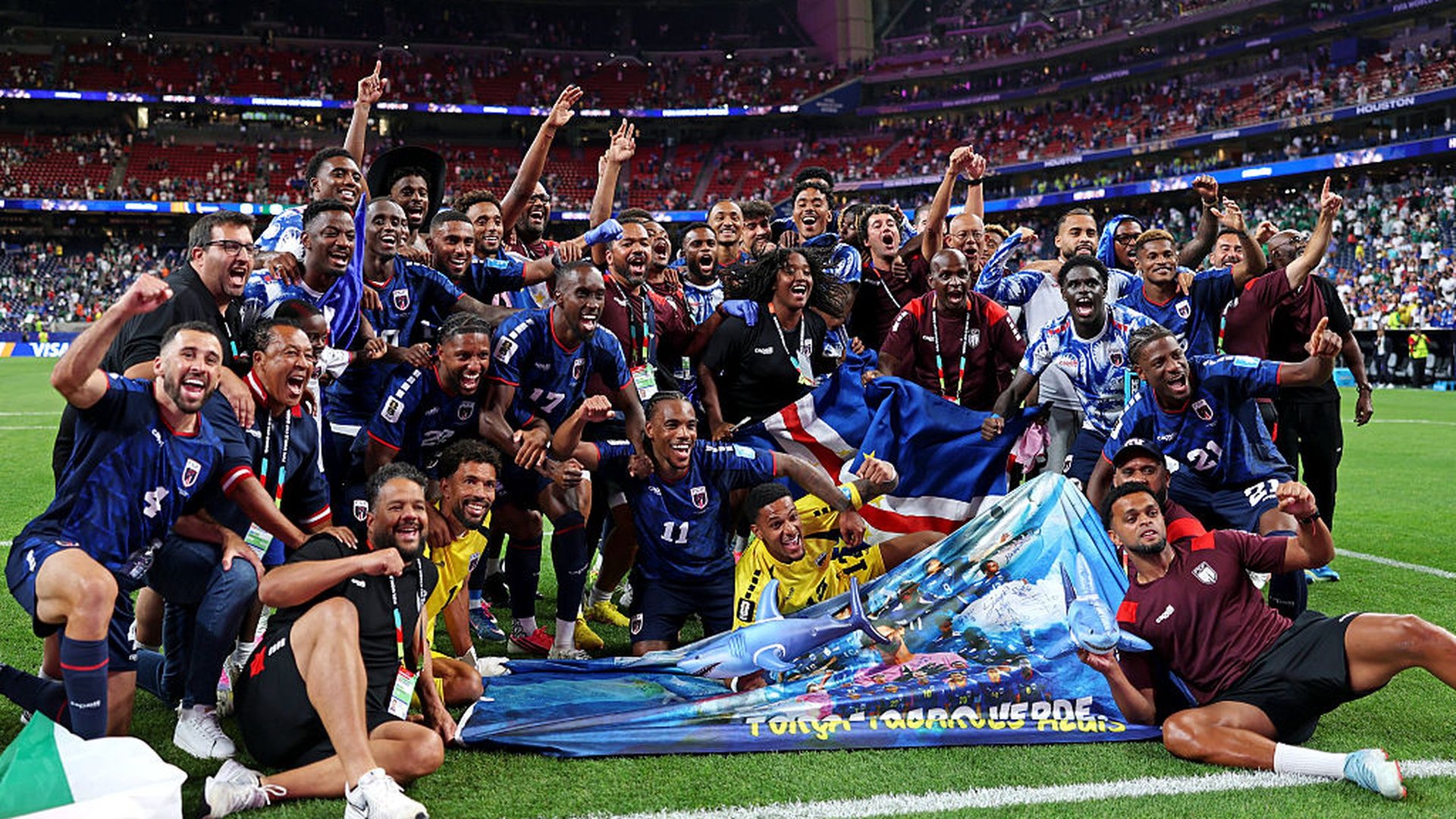
È stata proprio quella domanda a spingermi a creare la mia piattaforma social, Caboverdefootball. Il mio obiettivo era semplice: scovare i calciatori di origine capoverdiana in ogni angolo del pianeta e segnalarli alla Federazione Calcistica di Capo Verde. Negli anni, questo lavoro di scouting ha aiutato sempre più giocatori a ricevere la convocazione in nazionale, e un numero crescente di ragazzi ha iniziato a indossare con orgoglio la maglia dei Tubilões Azuis (Gli Squali Blu).
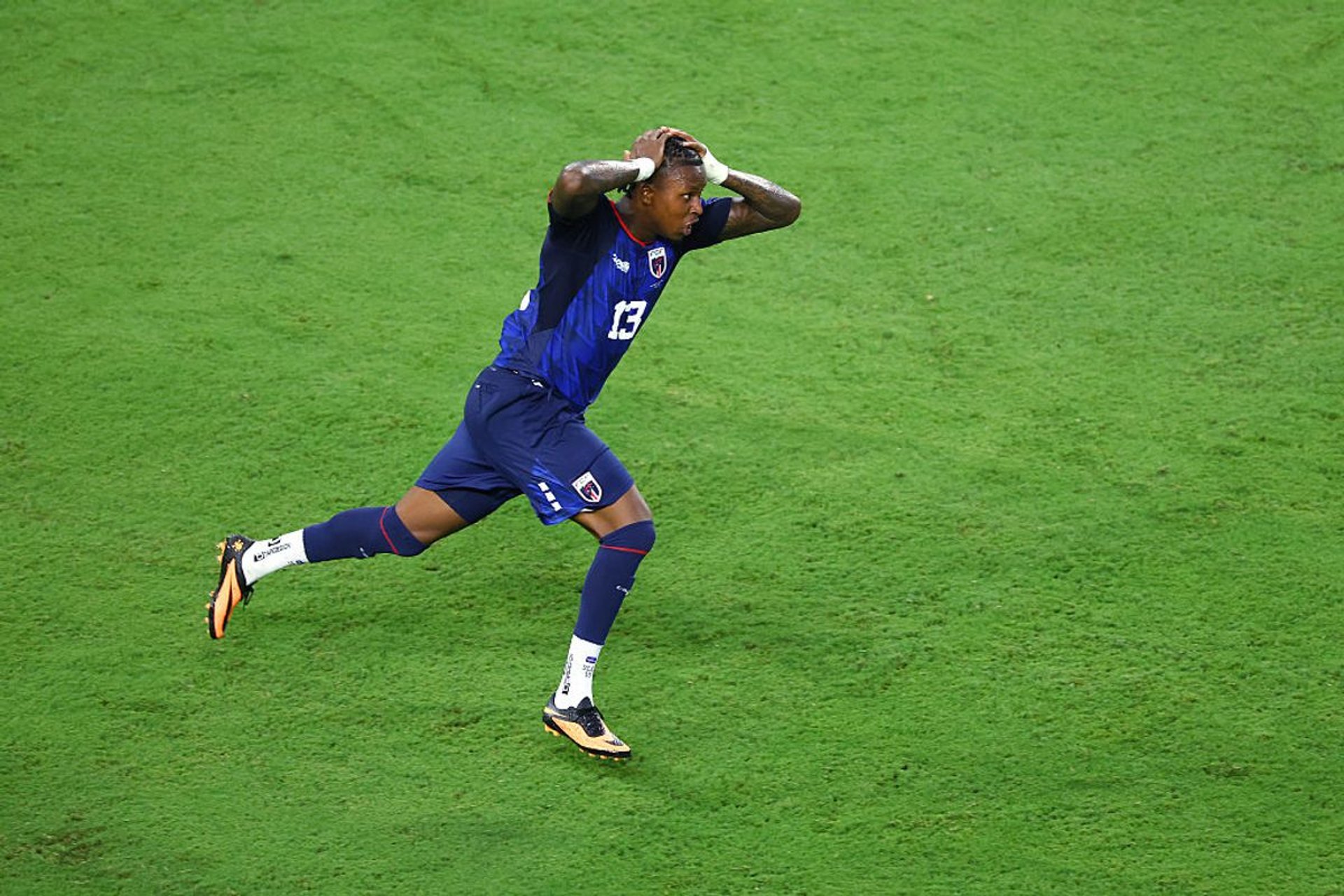
Quando Capo Verde si è finalmente qualificato per la Coppa del Mondo FIFA, è stato il coronamento del sogno di una vita. Non solo per me, ma per milioni di capoverdiani sparsi nel mondo.
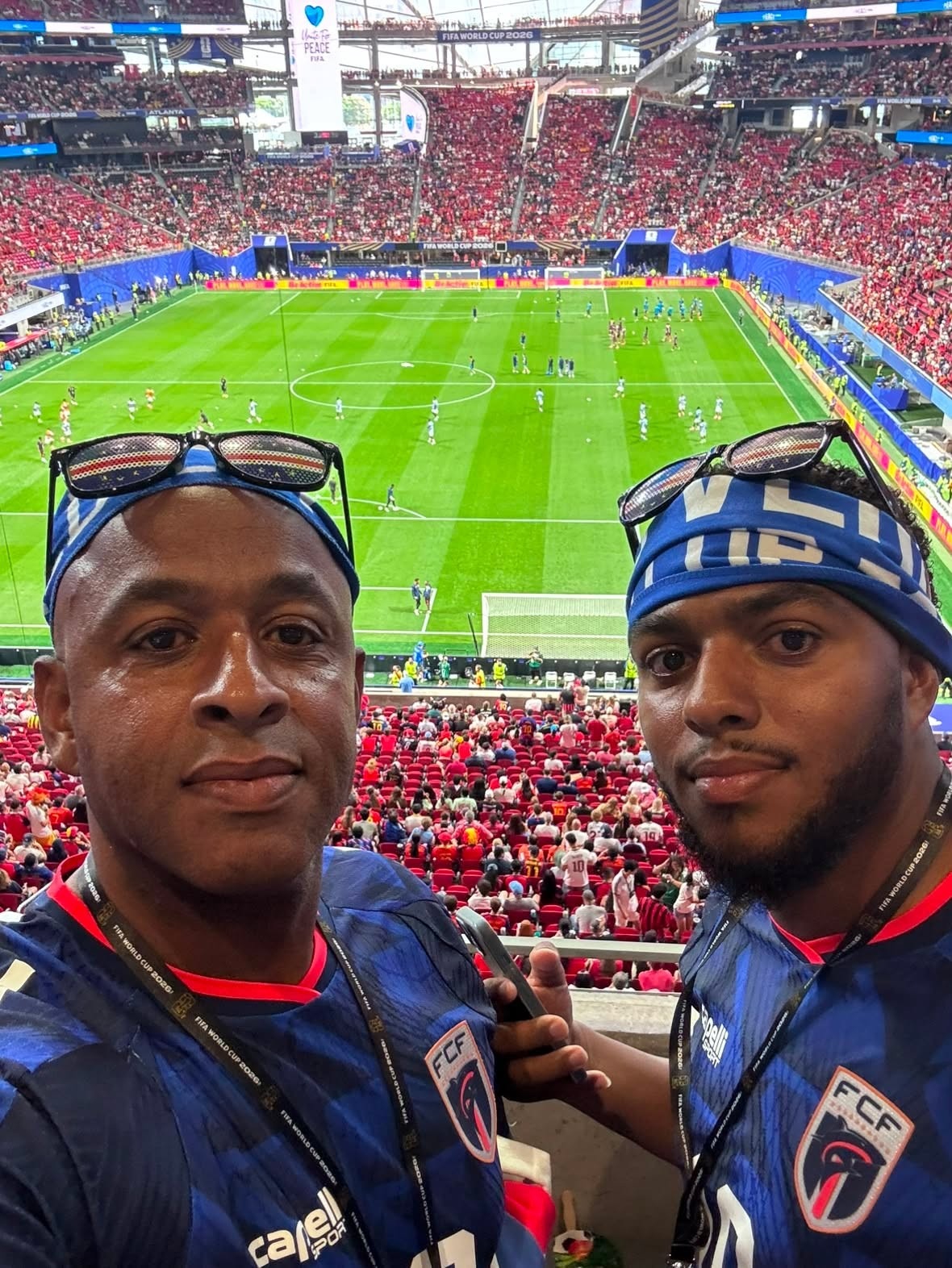
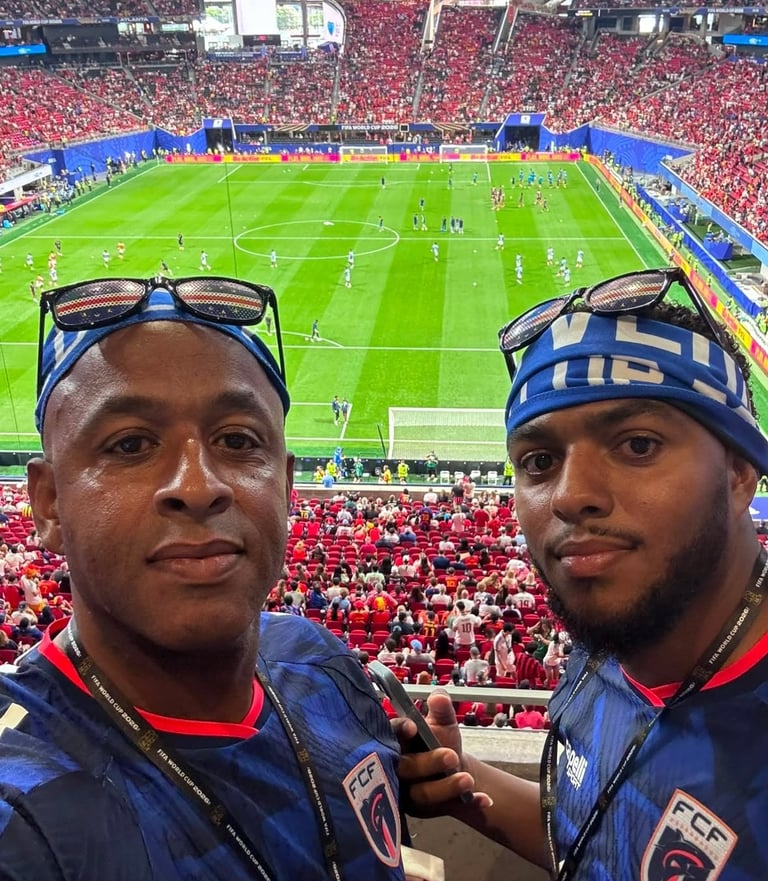
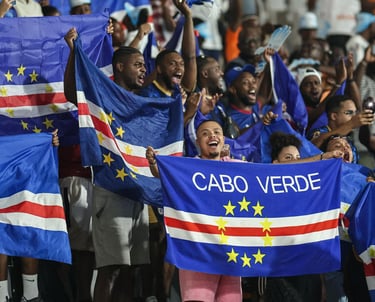
Non ho avuto il minimo dubbio, dovevo esserci. Ho viaggiato fino agli Stati Uniti per assistere alle partite contro Spagna, Uruguay e Arabia Saudita. Le emozioni vissute sono quasi impossibili da descrivere a parole. L’atmosfera, l'orgoglio, la connessione viscerale tra i giocatori e i tifosi: sembrava tutto surreale.
Prima del torneo, quasi nessuno credeva in noi. Il mondo ci dava forse l'1% di possibilità di successo, ma noi avevamo il 99% di fede in noi stessi. E quella fede incrollabile ci ha spinto più lontano di quanto chiunque potesse mai immaginare. Come capoverdiani, eravamo incredibilmente orgogliosi di dimostrare al mondo che non serve essere una grande nazione per compiere imprese straordinarie. Saremo anche un piccolo paese, ma abbiamo un cuore enorme.
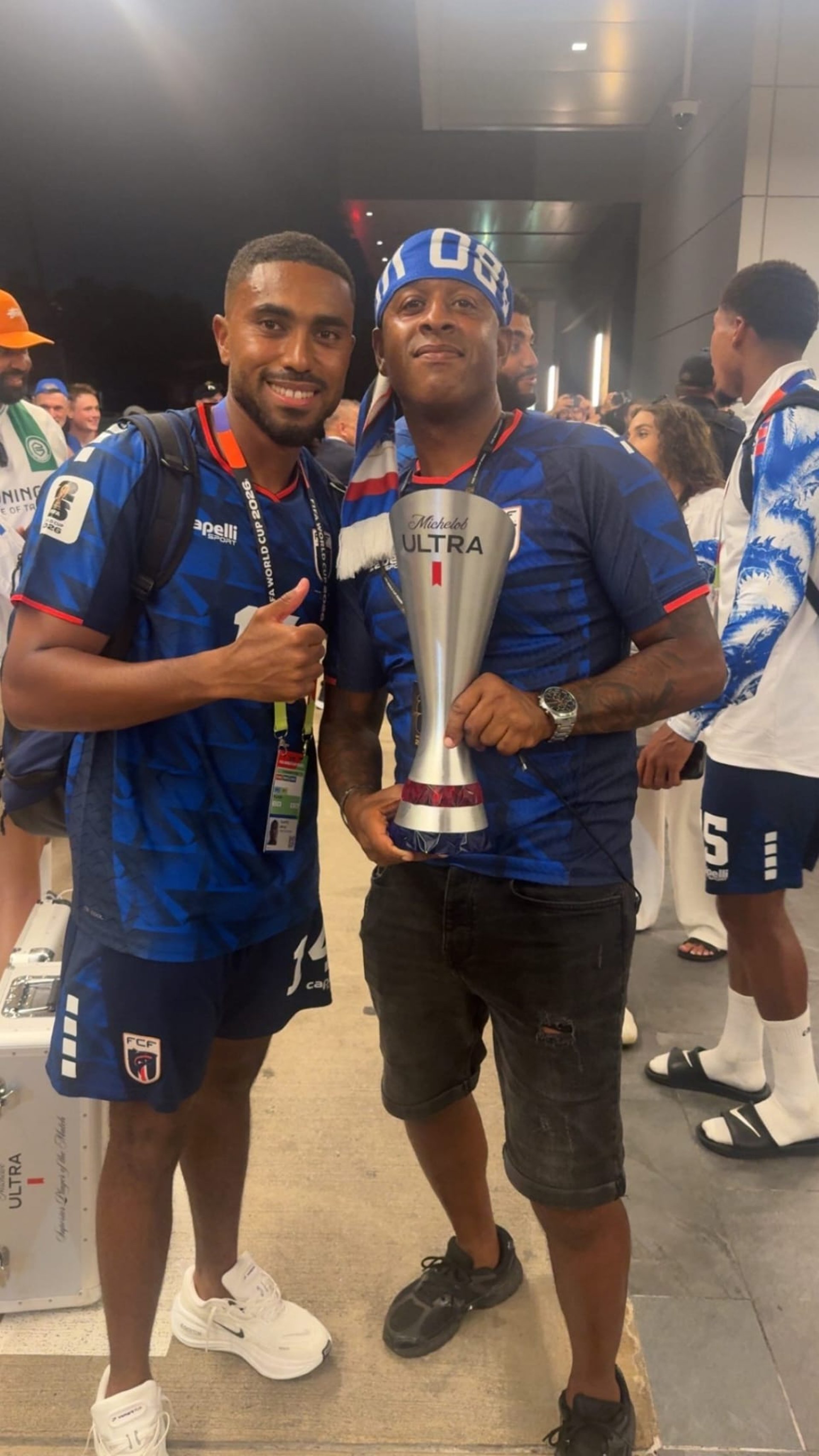
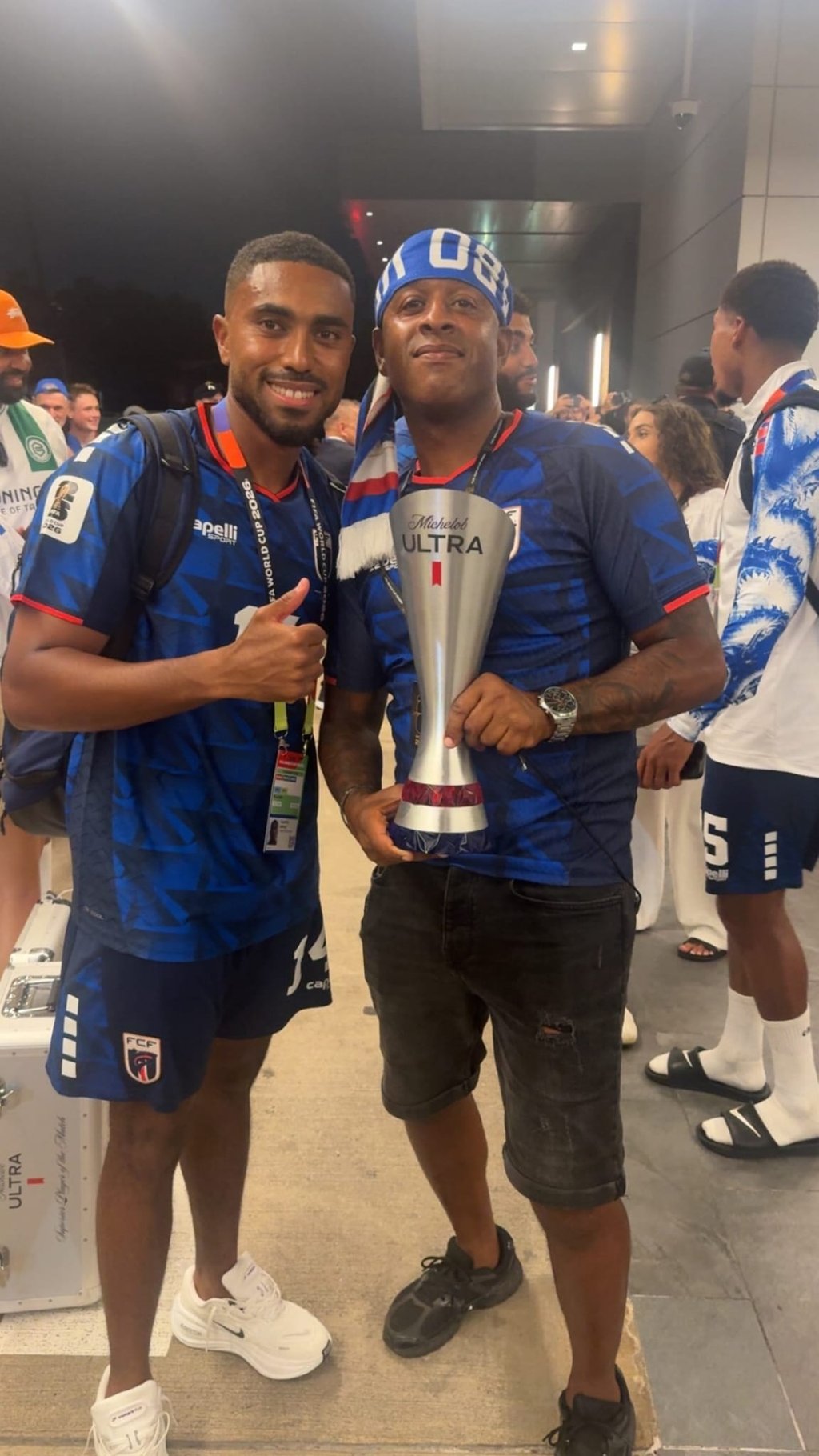
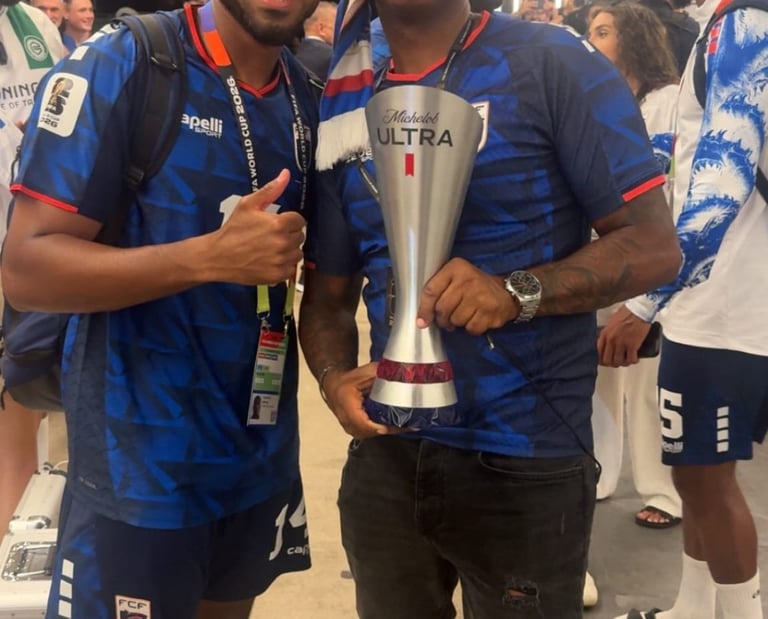
L’impatto di questo Mondiale è stato devastante in senso positivo. Per anni abbiamo dovuto spiegare alla gente dove si trovasse Capo Verde sulla mappa geografica. Oggi, tutto il mondo conosce il nostro Paese.
Ovunque andassimo negli Stati Uniti, i tifosi delle altre nazioni cantavano, ballavano e festeggiavano con noi lungo la strada verso gli stadi. La gente voleva scattare foto con noi perché aveva scoperto non solo una squadra di calcio, ma una cultura, una passione e la nostra famosa "Morabeza", quel mix unico di calore, ospitalità e senso di unione che definisce il popolo capoverdiano.
Spero sinceramente che questo Mondiale sia di ispirazione per la prossima generazione di giocatori con radici capoverdiane. Oggi hanno visto con i loro occhi che scegliere Capo Verde non significa limitare le proprie ambizioni. Al contrario, può portarti sul palcoscenico più importante del calcio mondiale.
Il prossimo passo è costruire il futuro. Una nuova generazione deve gradualmente prendere il posto dei giocatori più anziani, e il talento di certo non manca.
Insieme a mio figlio gestisco la "Dossantossports", la nostra accademia calcistica a Rotterdam, dove alleniamo molti giovani ragazzi, tra cui numerosi talenti di origine capoverdiana. Mi riempie d'orgoglio sapere che attuali nazionali capoverdiani come Deroy Duarte, Laros Duarte e Sidney Lopes Cabral si sono tutti allenati con noi durante la loro crescita.
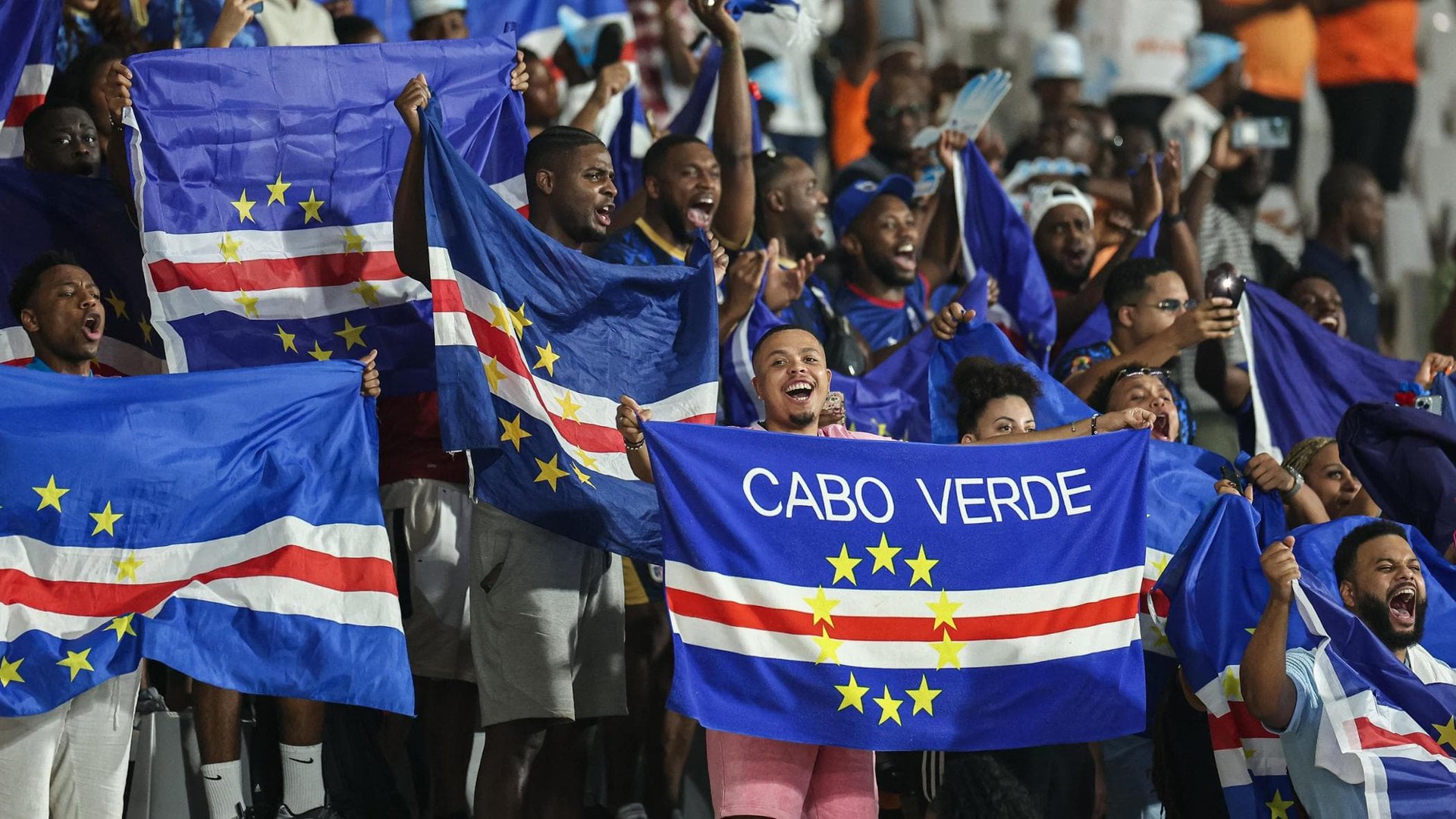
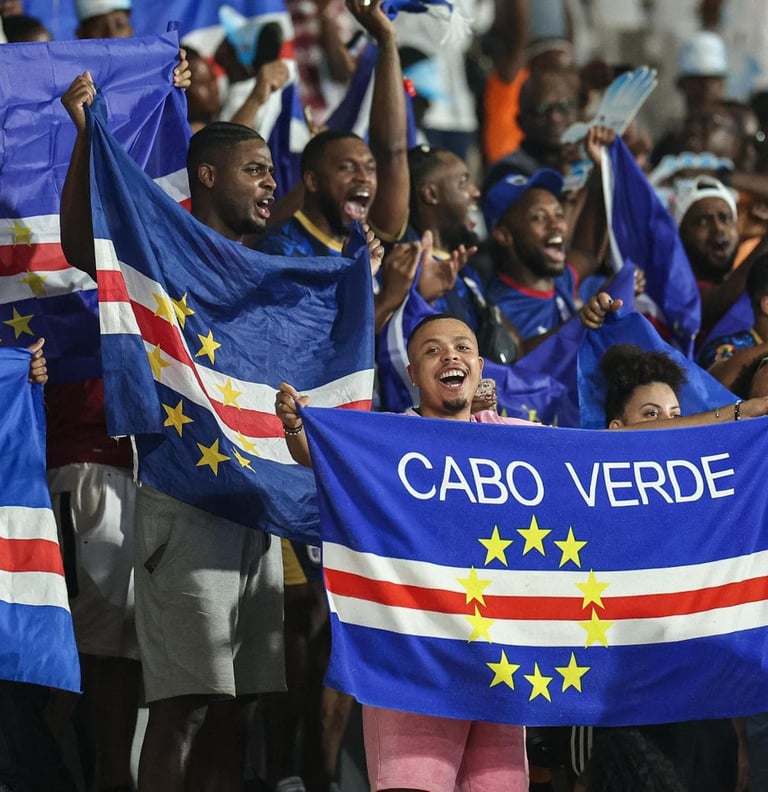
Il mio sogno personale si è avverato, ma la storia di Capo Verde è tutt'altro che finita. La speranza è quella di tornare al Mondiale tra quattro anni con un'altra generazione di fenomeni. Ma, cosa ancora più importante, spero che i giovani scelgano le proprie radici perchè il Mondiale ha lanciato un messaggio chiaro:
rappresentare il Paese di genitori e nonni non limita il futuro,
i sogni si avverano.”
English version
We are thrilled to publish world-class content. A big thank you to Amilcar dos Santos, who stayed in touch with us throughout the World Cup, for sharing his journey and the incredible story behind Cape Verdean football. Enjoy the read!
"how a man changed the football history of Cape Verde"
"My name is Amilcar dos Santos. I am 55 years old and was born and raised in Rotterdam, the Netherlands. Rotterdam is a true port city and is home to one of the largest Cape Verdean communities in Europe.
The first generation of Cape Verdeans arrived in the 1960s, mainly through the merchant navy. At the time, Cape Verde was struggling with poverty and limited opportunities, prompting many young men to leave the islands in search of a better future. They left their families behind, hoping to establish themselves in Europe before bringing over their wives and children. My father was one of them, eventually settling in Rotterdam in the late 1960s.
Football has always been at the heart of Cape Verdean culture. Growing up in Rotterdam, I watched the Cape Verdean community build its own football league, with clubs such as FC Make Love, FC Feeling, FC Santo Antão and FC São Nicolau. my father and brothers all played for FC Make Love. Every Saturday, as a young boy, I stood on the sidelines watching those passionate matches. That was where my love for football began
Cape Verdeans are blessed with football talent, but for many years the opportunities on the islands were limited. Although local competitions existed, the standard was not high enough for many players to pursue a professional career. Only a handful of exceptional talents managed to make the leap to professional football in Portugal.
As time went on, more talented Cape Verdean players emerged throughout the diaspora, where they had access to better academies and professional development. However, most chose to represent countries such as Portugal or France rather than Cabo Verde.
Some of the biggest names include Nani, Rolando and Jorge Andrade played for Portugal. Nuno Mendes, Nelson Semedo and Renato Veiga, who all represented Portugal during this WorldCup, while Patrice Evra and Patrick Vieira played for France. All of them share Cape Verdean heritage.
For many years, I kept asking myself one question: How can we convince talented players in the diaspora to choose Cape Verde?
That question inspired me to create my social media platform, Caboverdefootball. My goal was simple: to identify talented players of Cape Verdean heritage around the world and bring them to the attention of the Cape Verdean Football Federation. Over the years, that work has helped more and more players receive national team call-ups, and an increasing number have proudly chosen to wear the Cape Verde shirt.
When Cape Verde finally qualified for the FIFA World Cup, it was the realization of a lifelong dream—not only for me, but for millions of Cape Verdeans around the world.
There was never any doubt in my mind that I had to be there.
I travelled to the United States to attend the matches against Spain, Uruguay and Saudi Arabia. The emotions are almost impossible to describe. The atmosphere, the pride, the connection between the players and the supporters, it all felt surreal.
Before the tournament, almost nobody believed in us. The world gave us perhaps a one percent chance of succeeding, but we had ninety-nine percent belief in ourselves. That unwavering belief carried us further than anyone expected.
As Cape Verdeans, we were incredibly proud to show the world that you do not have to be a large nation to achieve extraordinary things. We may be a small country, but we have an enormous heart.
The impact of this World Cup has been incredible. For years, we had to explain where Cape Verde was. Today, the whole world knows our country. Everywhere we went in the United States, supporters from different nations sang, danced and celebrated with us on the way to the stadiums. People wanted to take pictures with us because they had discovered not only our football team but also our culture, our passion and our famous Morabeza, the warmth, hospitality and sense of togetherness that define Cape Verde.
I sincerely hope this World Cup inspires the next generation of players with Cape Verdean roots. They have now seen that choosing Cape Verde does not limit your ambitions. On the contrary, it can take you to the biggest stage in world football.
The next step is to build for the future. A new generation must gradually replace the older players, and there is no shortage of talent.
Together with my son, I run Dossantossports, our football academy in Rotterdam, where we train many young players, including numerous talents of Cape Verdean descent. It makes me especially proud that current Cape Verde internationals such as Deroy Duarte, Laros Duarte and Sidney Lopes Cabral all trained with us during their development.
My personal dream has come true, but Cape Verde’s story is far from over.
We hope to return to the World Cup in four years’ time with another talented generation. More importantly, i hope youth pick their roots because this World Cup sent a clear message:
choosing the country of their parents and grandparents doesn't limit careers,
dreams really do come true.